
Early Life and Background
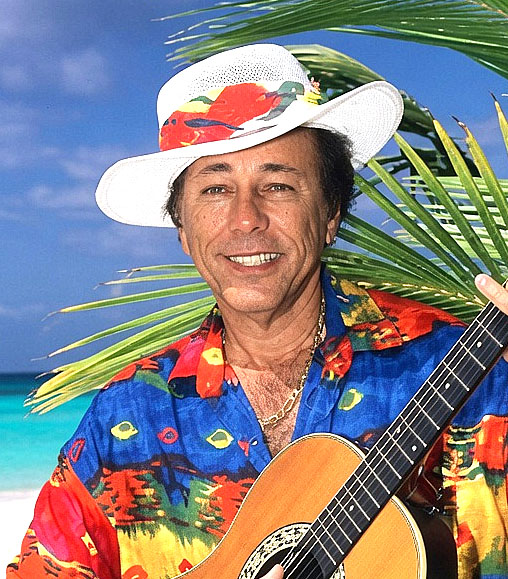
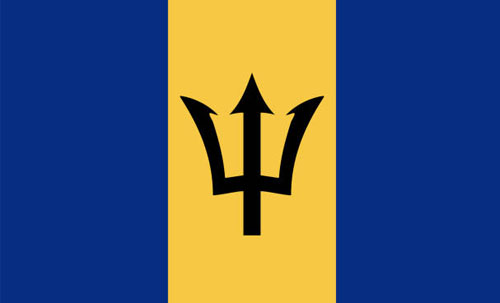
Charles Emile Straker was born on March 31, 1936 in Barbados, entering a world rich with rhythm, storytelling, and cultural expression. From his earliest years, he was surrounded by the sounds of calypso, Caribbean folk traditions, and the vibrant musical pulse of island life. Music was not simply entertainment in his environment. It was a way of sharing stories, preserving history, and bringing communities together.
Sir Charles Emile Straker, KA, CBE, BCH, LL.D, JP, "Sir Emile", 90, of ‘The Hope’ St. David’s, Christ Church, Barbados, passed away peacefully on June 19, 2026 in his daughter's arms. He was born to Clyde Luther Straker and Ermyntrude "Ermie" Straker née Walcott. He married Joyce Lady Straker in November 1961, who predeceased him after nearly 60 years of marriage.
Sir Emile Straker was born Charles Emile Straker, with Emile being his middle name. Although his birth name began with Charles, he became widely known by his middle name, Emile, which he used throughout his musical career. By the time he rose to prominence as a founding member of The Merrymen in the early 1960s, he was already performing and recording under the name Emile Straker. As a result, he is best recognized publicly and historically by that name, while “Sir” was later added as an honorific title following his knighthood.
As a boy, Emile displayed a natural gift for singing and performance. He was drawn to melody and rhythm, often participating in school activities and community gatherings where music was central. These early experiences nurtured both his confidence and his love for entertaining others. His upbringing helped shape a deep appreciation for the cultural identity of Barbados, something that would later define his life’s work.
Formation of The Merrymen
In the early 1960s, Emile Straker became a founding member of The Merrymen, a group that would go on to achieve legendary status in Caribbean music. The band developed a sound that blended calypso with Caribbean folk influences and elements of popular music. This fusion created a style that was both distinctly Barbadian and widely accessible.
The Merrymen quickly gained popularity for their lively stage performances and their ability to tell relatable stories through music. Their songs often reflected everyday life in the Caribbean, infused with humor, wit, and subtle social commentary. This approach allowed them to connect deeply with audiences across different backgrounds.
Rise to Prominence
As lead vocalist, Emile Straker became the defining voice of The Merrymen. His smooth and expressive singing style, combined with his natural charisma, made him a standout performer. He had the rare ability to engage audiences effortlessly, whether performing lighthearted songs or more reflective pieces.
During the 1960s and 1970s, the band’s popularity grew steadily. They became a household name in Barbados and throughout the Caribbean. Emile’s presence on stage was magnetic, and his leadership helped guide the group to sustained success. His voice became closely associated with the sound and identity of the band.
International Recognition
The Merrymen’s appeal soon extended beyond the Caribbean. The group toured extensively, performing in North America, Europe, and other international destinations. At a time when Caribbean artists were still working to gain global recognition, Emile Straker played a vital role in introducing audiences worldwide to the richness of Barbadian music.
Their performances were celebrated for their energy, professionalism, and authenticity. Through their music, they shared the stories and spirit of Barbados with diverse audiences. Emile’s vocal delivery and engaging personality left lasting impressions, helping to build a strong international following for the band.
Cultural Ambassador
Emile Straker was more than a performer. He was a cultural ambassador who carried the identity of Barbados wherever he went. He understood that music had the power to preserve heritage and communicate the essence of a people.
Through his work with The Merrymen, he celebrated the humor, resilience, and everyday experiences of Barbadians. His songs captured moments of joy, reflection, and social observation, allowing listeners to connect with the culture on a deeper level. His commitment to authenticity ensured that the music remained rooted in the traditions of the island.
Honors and Recognition
Throughout his distinguished career, Emile Straker received numerous awards and honors in recognition of his contributions to music and culture. His most notable distinction was being knighted, earning him the title Sir. This honor reflected the profound impact he had on Barbados and his role in promoting the nation’s cultural heritage.
His achievements brought pride to Barbados and highlighted the importance of cultural expression in shaping national identity. He was widely regarded as one of the country’s most treasured figures.
Influence and Legacy
Sir Emile Straker’s influence extended far beyond his own performances. He helped pave the way for future generations of Caribbean musicians, demonstrating that local music could achieve international success without losing its authenticity.
Many artists looked to him as a pioneer and a source of inspiration. His dedication to excellence, storytelling, and cultural pride set a standard within the industry. His legacy is preserved through his recordings, his performances, and the impact he had on audiences around the world.
Personal Life and Character
Despite his fame and success, Emile Straker remained a humble and approachable individual. He was known for his warmth, kindness, and genuine connection with people. Those who knew him often spoke of his sense of humor and his unwavering passion for music.
He carried himself with dignity and pride, always representing Barbados with honor. His grounded nature and strong sense of identity made him not only a respected artist but also a beloved figure in his community.
Later Years
In his later years, Sir Emile continued to be celebrated as a living legend. His music remained an important part of Barbadian culture, played at gatherings, celebrations, and national events. He was honored for his contributions and continued to inspire both fans and fellow musicians.
Even as he stepped back from active touring, his presence remained strong. His work continued to resonate with audiences, and his legacy grew with each passing year.
Passing and Reflection
Sir Emile Straker passed away on June 19, 2026 at the age of 90. Having celebrated his 90th birthday earlier in the year on March 31, his passing marked the end of an era in Barbadian music.
His death was deeply felt across Barbados and the wider Caribbean. Tributes poured in from fans, fellow musicians, and cultural leaders who recognized the immense contribution he made to the region.
A Life Well Lived
The life of Sir Emile Straker was one of passion, dedication, and cultural pride. From his early beginnings in Barbados to his international success, he remained true to his roots and his purpose.
He was more than a musician. He was a storyteller, a pioneer, and a proud ambassador of Barbadian culture. His work has become an enduring part of the nation’s identity, ensuring that his influence will continue for generations to come.
As Barbados mourns his passing, it also celebrates a life rich with achievement and meaning. Sir Emile Straker will always be remembered as a true son of the soil, whose voice and spirit helped define the sound of a nation.
His life will be celebrated at a gathering to be held at The Lloyd Erskine Sandiford Centre, Two Mile Hill, St. Michael on Friday, July 10, 2026 at 2:00 p.m. The Rev. Canon Noel A. Burke and The Rev. DeVere Murrell will be the Celebrants. The cortege will then proceed to Summit Gardens of Coral Ridge Memorial Gardens, The Ridge, Christ Church for a private interment.
May he rest in peace.
Ackee and Saltfish is the national dish of which Caribbean country?

Where did the musical instrument known as the Steel Pan originally originate from?
What Caribbean country is known as the "Spice Isle"?



3 Comments
Strangely enough, I never had the opportunity to see the Merry Men perform while I was living in Barbados. It was only after I migrated that I finally experienced them live at Brooklyn College. The performance was absolutely outstanding and remains one of the finest musical shows I have ever witnessed.
A true legend I had the pleasure of meeting him, thanks for all those memories.
Condolences to the Straker Family and all those who were lucky enough to call Sir Emile Straker a friend. My first exposure to this musical genre was as a kid here in Pickering, Ontario, Canada. Carl Banas, a host on radio CKFM 99.9 in Toronto, played The Merrymen on his Saturday night shows and MC’d live performances at Ontario Place. Emile’s book, “My Island and Me,” which was recently made available to me by his daughter, will remain a treasure of his life story and The Merrymen. R.I.P. Sir Emile Straker.