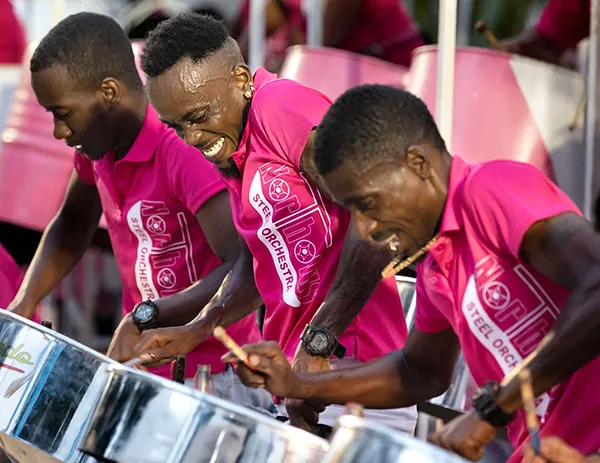
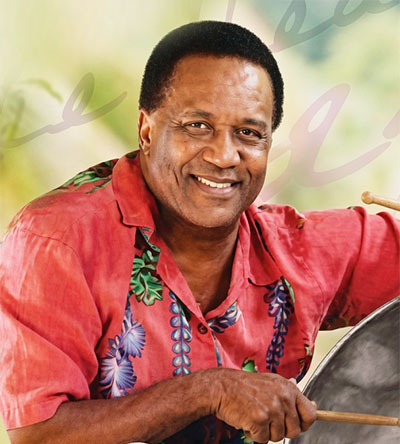

Robert Fitzgerald Greenidge was a globally acclaimed Trinidadian steelpan virtuoso, arranger, and composer. Born on April 28, 1950, he was widely celebrated for bridging traditional Caribbean steelband culture with international music. Greenidge passed away on June 8, 2026, leaving behind a legacy as one of the instrument's greatest ambassadors.
Early Life and Musical Beginnings
Born in Success Village, Laventille, a bustling working class community just outside Port of Spain, Trinidad, Robert "Robbie" Greenidge was immersed in the rich cultural epicenter of pan and Carnival from birth. He picked up the steelpan at the remarkably young age of eight. His early formal tutelage came from his uncle, renowned pannist Carl Greenidge. Under his uncle’s guidance, Greenidge developed the foundational techniques that would eventually make him one of the most dexterous and expressive players in the history of the instrument.
As a teenager, he began performing internationally, showcasing the nascent national instrument of Trinidad and Tobago to the rest of the world. In 1970, he earned the distinct honor of representing his home country both as a soloist and as a member of the Trinidad and Tobago National Steel Orchestra.
Deep Roots in the Panyard: The Savoys and Desperadoes
Despite his eventual global fame, Greenidge never lost his deep connection to the competitive, community focused environment of the local Trinidadian panyard. He began playing with The Savoys Steel Orchestra under the watchful eye of his uncle. However, his legacy in the local competitive scene is most closely tied to the legendary Desperadoes Steel Orchestra.
Greenidge joined the Desperadoes under the leadership of the iconic Rudolph Charles and the direct musical guidance of arranger Emmanuel “Corbeau Jack” Riley. During his time with the band, Greenidge not only contributed his virtuosic playing but eventually took on the prestigious role of arranger. He led the WITCO Desperadoes to massive critical and competitive success, securing victories in the fiercely contested National Panorama Steelband Competition in 1991 and 1994. Both of these championship runs featured his own original arrangements, solidifying his status as a premier maestro of the art form.
International Superstardom and Collaborations
While Greenidge was celebrated for his mastery of traditional Panorama arrangements, he is equally famous for taking the steelpan into mainstream international pop, rock, and jazz. His versatility allowed him to connect the vibrant, percussive sound of the islands with prestigious concert halls, recording studios, and festival stages across the globe.
In the 1970s and 1980s, Greenidge's infectious melodies and precise technique made him a highly sought after session musician. He collaborated with a staggering array of international superstars. His footprint can be found on records by legendary figures such as John Lennon and Yoko Ono, Ringo Starr, Robert Palmer, Carly Simon, Taj Mahal, and Earth, Wind & Fire. He also collaborated heavily with Ralph MacDonald, famously lending his brilliant pan work to Grover Washington Jr.'s smooth jazz classic, "Just the Two of Us".
Through these high profile sessions and performances at major events like the Montreux Jazz Festival, Greenidge played an instrumental role in exposing a massive global audience to the versatility and emotional range of the steelpan.
The Coral Reefer Band and Club Trini
To international audiences, Robert Greenidge is perhaps best known for his decades long tenure as a cornerstone of popular music singer Jimmy Buffett's Coral Reefer Band. Joining the band in the 1980s, Greenidge became a staple of Buffett's touring and recording lineup. His lively steel drum playing was essential in defining the signature tropical rock sound of Buffett's music, allowing Greenidge to perform to massive stadium audiences across North America and beyond.
Greenidge also contributed to and toured with Club Trini, an instrumental acoustic group formed by Coral Reefer Band members to play a mix of Caribbean infused jazz and reggae. Even amidst the massive touring schedules of international rock, Greenidge ensured that the rhythmic, melodic soul of Trinidadian pan music was at the center of his arrangements.
Honors, Legacy, and Passing
Over his decades of service to music, Greenidge received immense acclaim. In 1993, the Government of Trinidad and Tobago formally recognized his contributions to the arts and his work as a global cultural ambassador by awarding him the Humming Bird Medal (Silver) for Culture.
Following a stroke and a period of prolonged illness, Robert Greenidge passed away in the United States on June 8, 2026, at the age of 76. Upon his passing, the international steelpan community and cultural organizations, including Pan Trinbago, paid tribute to his massive influence. Greenidge’s life and career proved that the steelpan is not confined to the Caribbean; through his dedication, talent, and vision, he carried the music of Trinidad and Tobago to the far corners of the earth. He leaves behind a legacy as a trailblazing musician who elevated the steelpan to new global heights and inspired generations of pannists worldwide.
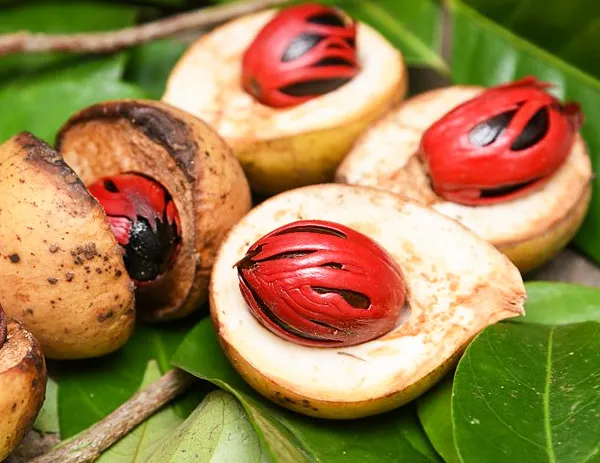
What Caribbean country is known as the "Spice Isle"?
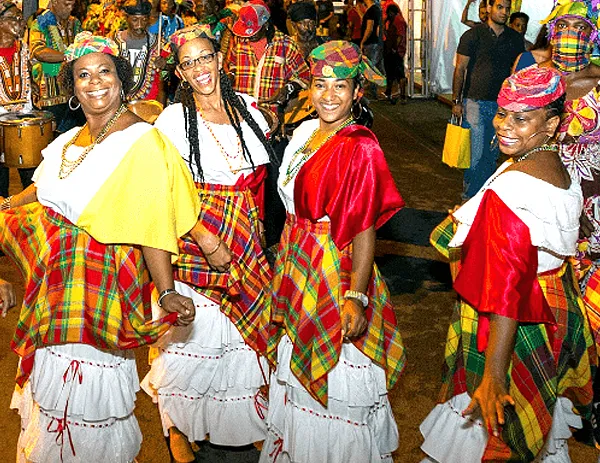
What major cultural celebration highlights Saint Lucia’s Creole heritage?
Where did the musical instrument known as the Steel Pan originally originate from?