Clifton Ryan
1928
-
2022
Grenada
Facebook
WhatsApp
Clifton Ryan
January 30, 1928
-
January 1, 2022
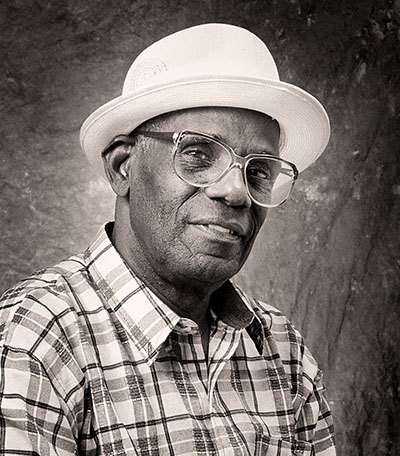
Clifton Ryan, better known across the Caribbean as the Mighty Bomber, was born on 30 January 1928 in St. George’s, Grenada. He was the son of Fitzroy Ryan, a Trinidadian Anglican sexton, and Agatha Joseph, a Grenadian. Growing up in modest circumstances, Ryan experienced both hardship and discipline from an early age, factors that would later shape his character and artistic voice.
His upbringing in Grenada exposed him to the rhythms, storytelling traditions, and oral culture that were deeply embedded in Caribbean society. These influences played a significant role in shaping his identity as a calypsonian. From a young age, he showed a natural talent for music and performance, beginning to sing calypso while still a child. By his early teens, he was already participating in local competitions and gaining recognition for his lyrical wit and stage presence.
Ryan’s early exposure to performance, combined with the influence of community gatherings and cultural expression, helped him develop the foundations of what would become a lifelong dedication to calypso. His formative years in Grenada were crucial in grounding him in the traditions that he would later carry to a much larger stage.
Migration and Rise in Trinidad
In 1956, Clifton Ryan migrated to Trinidad and Tobago, the epicenter of calypso music in the Caribbean. This move marked a turning point in his life and career. Trinidad offered broader opportunities, larger audiences, and access to some of the greatest calypsonians of the time.
Shortly after arriving, he began performing in calypso tents, which were the primary venues for showcasing talent. His breakthrough came in 1958 with the song “Gloria,” which became widely popular and even caught international attention when it was later recorded by Harry Belafonte. This early success established him as a serious contender in the competitive calypso arena.
Ryan became associated with some of the most influential figures in calypso, including The Mighty Sparrow, who invited him to join the Young Brigade calypso tent in 1960. He also performed with other major groups such as Kitchener’s Revue. These associations helped refine his craft and placed him among the leading voices of the genre.
His migration not only expanded his opportunities but also positioned him as a Grenadian-born artist making a significant mark on Trinidad’s cultural landscape. Despite challenges related to identity and nationality, he remained committed to his craft and continued to rise within the calypso world.
Musical Style and Influence
The Mighty Bomber became known for his distinctive style, characterized by humor, storytelling, and clever wordplay. His compositions often blended satire with social commentary, allowing him to address serious issues while entertaining audiences.
He was heavily influenced by the legendary calypsonian Mighty Spoiler, under whom he trained and developed his lyrical approach. Like his mentor, Bomber mastered the art of double entendre, using layered meanings to engage listeners and provoke thought.
What set him apart was his ability to balance humor with intelligence. His songs were not only entertaining but also reflective of Caribbean life, culture, and social dynamics. He had a gift for turning everyday experiences into compelling narratives, making his music both relatable and memorable.
Beyond his performances, Bomber played a significant role as a mentor to younger calypsonians. He was known for helping others refine their skills in phrasing, melody, and lyrical construction. His influence extended beyond his own work, shaping the development of the art form itself.
Major Achievements and Recognition
One of the defining moments of Bomber’s career came in 1964, when he won the prestigious Calypso Monarch title in Trinidad and Tobago. This victory was particularly significant because he defeated some of the greatest names in calypso, including the Mighty Sparrow. Winning this title cemented his status as one of the elite performers in the genre.
In addition to his competition success, Bomber represented Trinidad and Tobago internationally. He performed at the Commonwealth Festival of Arts in Britain in 1963, showcasing Caribbean culture on a global stage. He also performed in the United States, further expanding his reach and influence.
His contributions to calypso were recognized by the Trinidad and Tobago government in 1976, when he was awarded a parcel of land in Picton Hill, Laventille. This gesture acknowledged his impact on the cultural landscape and his role in advancing the art form.
Bomber was also ranked among the Top 50 Calypsonians of the 20th Century by the Trinbago Unified Calypsonians’ Organisation (TUCO), further solidifying his legacy as one of the most important figures in calypso history.
Career Longevity and Contributions
The Mighty Bomber enjoyed a career that spanned more than six decades. Over this time, he composed and performed hundreds of calypsos, many of which became classics within the genre. His longevity was a testament to his adaptability, talent, and deep understanding of the art form.
In addition to performing, he took on roles behind the scenes, including managing calypso tents and mentoring emerging artists. He was instrumental in nurturing talent and ensuring the continuation of calypso traditions.
His work ethic and dedication earned him respect across generations. Even as musical styles evolved, Bomber remained relevant, demonstrating the timeless appeal of well-crafted calypso.
In 2007, after decades of performance, he retired from singing. His decision to step away from the stage marked the end of an era, but his influence continued to be felt throughout the Caribbean.
Personal Life and Faith
In his later years, Bomber became deeply involved in religious life. He joined a Pentecostal ministry and served as a choir master, dedicating his time to spiritual growth and community service. This transition reflected a personal evolution, as he shifted from the spotlight of performance to a quieter, more reflective role.
Despite the challenges he faced, including health issues in his later years, he maintained a strong sense of faith and resilience. His commitment to his beliefs provided him with strength and purpose beyond his musical career.
Bomber was also known for his humility and generosity. He remained approachable and supportive of others, qualities that endeared him to both peers and fans.
Death and Legacy
Clifton Ryan, the Mighty Bomber, passed away on 1 January 2022 in Port of Spain, Trinidad and Tobago, just weeks before his 94th birthday. At the time of his death, he was regarded as one of the oldest living calypsonians and one of the last links to an earlier era of the art form.
His passing was widely mourned across the Caribbean, with tributes highlighting his contributions to music, culture, and mentorship. He was remembered not only for his talent but also for his role in shaping the direction of calypso.
Bomber’s legacy is defined by his ability to combine humor, intelligence, and cultural insight in his music. He remains one of the few Grenadian-born artists to achieve significant recognition at a regional level, bridging the cultural spaces between Grenada and Trinidad and Tobago.
Today, he is celebrated as a pioneer, a master storyteller, and a guardian of calypso tradition. His work continues to inspire new generations of artists, ensuring that his influence endures long after his passing.
Conclusion
The life of the Mighty Bomber is a story of talent, perseverance, and cultural impact. From his early days in Grenada to his rise in Trinidad’s calypso scene, he demonstrated a commitment to excellence that defined his career.
Through his music, mentorship, and contributions to the art form, Clifton Ryan secured his place among the greats of Caribbean culture. His legacy stands as a testament to the power of calypso as both an art form and a voice for the people.
In remembering the Mighty Bomber, one remembers not just a performer, but a cultural icon whose work continues to resonate across the Caribbean and beyond.
My Caribbean
Cherished people from Grenada


Caribbean Heritage
What Caribbean country is known as the "Spice Isle"?

What major cultural celebration highlights Saint Lucia’s Creole heritage?
Where did the musical instrument known as the Steel Pan originally originate from?