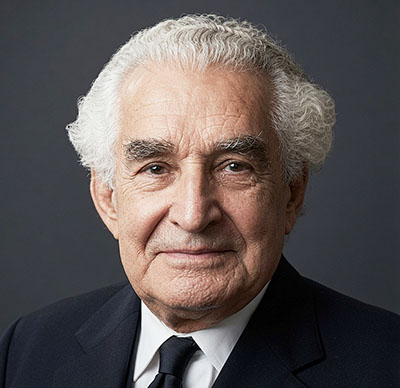

The Right Excellent Sir William Alexander Bustamante (1884–1977) stands as one of Jamaica’s most towering figures — a charismatic trade unionist, fiery orator, shrewd politician, and the nation’s first Prime Minister upon independence. Declared a National Hero in 1969, he is revered as a champion of the working class and one of the principal architects of modern Jamaica.
Early Life and Background
Born William Alexander Clarke on February 24, 1884, in Blenheim, Hanover Parish, Jamaica, he entered the world during the late colonial period. His father, Robert Constantine Clarke, was an Irish-descended planter and bookkeeper, while his mother, Mary Clarke (née Wilson), was a Jamaican of mixed African and other ancestry. He was the second of five children in the Clarke family, with additional half-sisters from his father’s previous marriage.
Young William grew up in modest circumstances on a pen-keeping (small farming) property. Formal education was limited due to poverty; he attended primary school at Cacoon but had little opportunity for advanced schooling. This humble beginning profoundly shaped his later empathy for Jamaica’s working poor. His mixed heritage and family connections — notably sharing a grandmother (Elsie Clarke-Shearer) with his cousin and future political rival Norman Washington Manley — placed him at the intersection of Jamaica’s complex racial and social dynamics.
Adventures Abroad and Return to Jamaica
As a young man, Clarke displayed a restless and adventurous spirit. He left Jamaica in his teens or early twenties, working in various capacities across the Caribbean, the United States, and possibly Cuba or Panama during the era of large-scale labor migrations. Accounts describe him taking on roles as a policeman, farm worker, and even engaging in speculative ventures. He reportedly made a considerable sum through investments, including Wall Street speculation, before returning to Jamaica in the early 1930s.
Upon his return, he adopted the surname Bustamante (possibly inspired by a Spanish connection or family lore) and formally changed his name by deed poll in 1944 to William Alexander Bustamante. He worked as a moneylender and in other business activities in Kingston, earning a reputation as a colorful, larger-than-life personality known for his striking appearance, elegant dress, and commanding presence.
Rise as a Labor Leader: The 1938 Upheaval
Bustamante’s transformation into a national figure began amid the labor unrest of the late 1930s. Jamaica, like much of the British West Indies, suffered from economic hardship, low wages, poor working conditions, and colonial neglect. In 1938, widespread strikes and riots erupted across the island, particularly among dockworkers, sugar estate laborers, and the unemployed.
Though initially involved with the Jamaica Workers’ Union, Bustamante quickly emerged as the most prominent spokesman for the strikers. His powerful oratory, fearless advocacy, and ability to connect with the masses earned him the title “Labour Leader.” He was arrested during the disturbances but released after significant public pressure. In 1938–1939, he founded the Bustamante Industrial Trade Union (BITU), which grew rapidly into one of the largest and most influential trade unions in the Caribbean.
Bustamante’s leadership style was paternalistic yet highly effective. He personally negotiated better wages and conditions for workers in docks, sugar fields, and other sectors. His charisma and willingness to confront colonial authorities made him a hero to the working class, though critics sometimes viewed him as autocratic.
Entry into Politics and the Jamaica Labour Party
Recognizing the need for political power to sustain labor gains, Bustamante entered electoral politics. In 1943, he founded the Jamaica Labour Party (JLP) as the political arm of the BITU. This move created a lasting two-party system in Jamaica, with the JLP often positioned as more conservative and pro-business compared to the socialist-leaning People’s National Party (PNP) led by his cousin Norman Manley.
The 1944 general election, the first under universal adult suffrage, was a landslide victory for the JLP. Bustamante became the unofficial leader of government and later Chief Minister. His administration focused on social welfare, infrastructure, and labor rights, though it operated within the constraints of limited self-government.
Path to Independence
The 1950s saw intense debates over Jamaica’s constitutional future. Bustamante initially supported membership in the West Indies Federation (1958–1962) but grew disillusioned, fearing it disadvantaged Jamaica economically. He campaigned vigorously for Jamaica’s withdrawal, leading to a 1961 referendum in which voters chose to leave the federation.
This paved the way for full independence. In April 1962, the JLP won the elections, and on August 6, 1962, at the age of 78, Sir Alexander Bustamante (knighted in 1955 and later awarded the Order of the National Hero) became Jamaica’s first Prime Minister. He led the nation through its early years of independence, emphasizing stability, economic development, and ties with the Commonwealth and the United States.
Personal Life and Later Years
Bustamante married four times, though details of earlier unions are less documented. In September 1962, shortly after independence, he married his longtime personal secretary and confidante, Gladys Longbridge (later Lady Bustamante), in a union that lasted until his death. The couple had no children.
In 1964, Bustamante suffered a stroke that gradually diminished his active role. He retired from politics in 1967 and lived quietly in his later years. He passed away on August 6, 1977 — exactly 15 years after Jamaica’s independence — at the age of 93. He was buried with full national honors in the National Heroes Park in Kingston.
Legacy
Bustamante’s legacy is immense. He elevated the voice of Jamaica’s working people, professionalized trade unionism through the BITU, and built the JLP into a enduring political force. As Prime Minister, he helped steer Jamaica toward a stable, independent democracy. His rivalry with Norman Manley — often called the “Founding Fathers” of the nation — defined much of mid-20th-century Jamaican politics but ultimately contributed to a balanced national development.
Today, his image appears on Jamaica’s $50 note, and his birthday (February 24) is observed with tributes. Institutions like the Bustamante Industrial Trade Union and the Jamaica Labour Party continue to bear his influence. While some criticize his authoritarian tendencies and occasional populism, few dispute his pivotal role in transforming Jamaica from a colonial outpost into a sovereign nation.
Sir Alexander Bustamante embodied the spirit of defiance, resilience, and ambition that defined Jamaica’s struggle for dignity and self-determination. His life reminds Jamaicans that from humble beginnings, with courage and conviction, one can reshape the destiny of a nation.
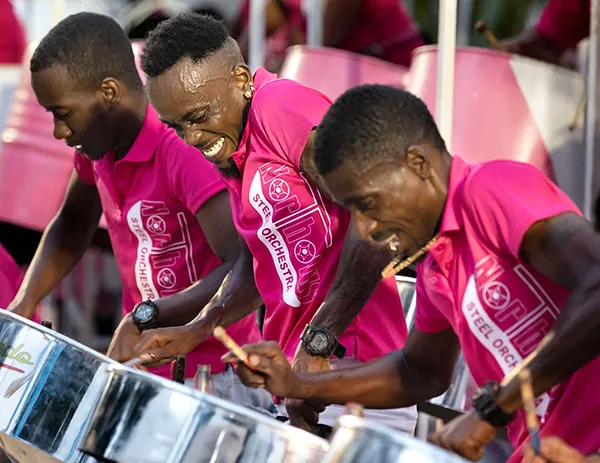
Where did the musical instrument known as the Steel Pan originally originate from?
What Caribbean country is known as the "Spice Isle"?

What major cultural celebration highlights Saint Lucia’s Creole heritage?