The Right Excellent
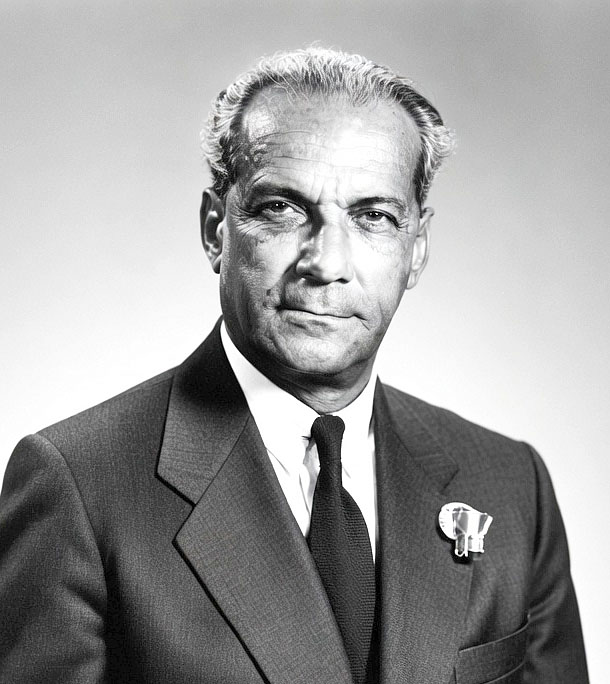
Norman Washington Manley
M.M., Q.C., B.C.L., LLD (Hon.)

Jamaica
Norman Washington Manley
July 4, 1893
-
September 2, 1969
The Right Excellent Norman Washington Manley stands among the most influential figures in the history of Jamaica and the wider Caribbean. A visionary statesman, distinguished lawyer, champion athlete, and passionate advocate for self government, Manley played a pivotal role in guiding Jamaica from colonial rule toward nationhood. His leadership, intellect, and unwavering commitment to the welfare of the Jamaican people earned him lasting admiration and recognition as one of the country's National Heroes.
Norman Washington Manley was born on July 4, 1893, in Roxborough, Manchester, Jamaica. He was the son of Thomas Albert Samuel Manley and Margaret Shearer Manley. Growing up in rural Jamaica during the colonial era, he developed a strong sense of discipline, responsibility, and pride in his homeland. His early education revealed a brilliant mind and exceptional abilities that would later distinguish him in several fields.
Talents extended beyond the classroom
Manley attended Jamaica College, one of the island's leading educational institutions, where he excelled academically and athletically. His talents extended beyond the classroom, particularly in sports, where he demonstrated remarkable skill in track and field events. His athletic achievements earned him widespread recognition and laid the foundation for a lifelong appreciation of discipline and perseverance.
In 1914, Norman Manley received the prestigious Rhodes Scholarship, enabling him to study at Jesus College, Oxford University, in England. However, the outbreak of the First World War interrupted his academic plans. Like many young men of his generation, he enlisted in military service and joined the Royal Field Artillery. During the war, he served with distinction and displayed considerable courage under difficult circumstances.
Following the end of the war, Manley returned to Oxford and completed his studies. He earned a Bachelor of Civil Law degree and later qualified as a barrister. His education in England exposed him to constitutional law, political thought, and international affairs, all of which would influence his future leadership and vision for Jamaica.
Upon his return to Jamaica in the early 1920s, Manley established himself as one of the island's most accomplished lawyers. His sharp intellect, persuasive advocacy, and deep understanding of the law quickly earned him a reputation as one of the leading legal minds in the Caribbean. He was appointed King's Counsel, later known as Queen's Counsel, a distinction reserved for outstanding members of the legal profession.
Although successful in law, Manley believed that his greatest responsibility was to contribute to the advancement of Jamaica and its people. During the 1930s, widespread social and economic challenges affected many Caribbean territories. Workers faced poor conditions, low wages, and limited opportunities. These circumstances fueled growing demands for reform and greater political representation.
Promote social justice
The labor unrest that swept across Jamaica in 1938 became a turning point in the country's political development. Recognizing the need for organized political leadership, Norman Manley founded the People's National Party (PNP) on September 18, 1938. The party sought to promote social justice, constitutional reform, economic development, and increased self government.
Under Manley's leadership, the PNP became a powerful force for change. He worked tirelessly to advocate for universal adult suffrage, which would grant voting rights to all adult citizens regardless of property ownership or social status. His efforts contributed significantly to the introduction of universal adult suffrage in Jamaica in 1944, a landmark achievement that transformed the island's democratic system.
Although the PNP did not win the first election held under universal suffrage, Manley remained committed to constitutional advancement and national development. He believed that Jamaica should gradually assume greater responsibility for its own affairs while preparing for eventual independence.
One of Norman Manley's most important contributions was his dedication to regional integration. He strongly believed that Caribbean territories could achieve greater economic and political strength through unity and cooperation. This conviction led him to become one of the principal architects of the West Indies Federation, a political union established in 1958 that sought to unite several British Caribbean colonies into a single nation.
The formation of the Federation represented a bold experiment in regional governance. Manley viewed it as an opportunity for Caribbean people to work together toward shared prosperity and self determination. His commitment to regionalism reflected his broader vision of Caribbean identity and solidarity.
In July 1959, Norman Manley became the first and only Premier of Jamaica, a position he held until July 1962. As Premier, he guided Jamaica during one of the most significant periods in its history. His administration focused on expanding education, improving infrastructure, promoting economic development, and strengthening democratic institutions.
During his tenure, Jamaica continued its constitutional journey toward greater autonomy. Manley worked closely with British authorities and local leaders to negotiate arrangements that would eventually lead to full independence. He sought to ensure that Jamaica entered nationhood with stable institutions and a clear sense of national purpose.
One of the defining moments of his political career came in 1961 when Jamaica held a referendum on whether to remain within the West Indies Federation. Despite Manley's passionate support for the Federation, the majority of voters chose to withdraw. Respecting the democratic will of the people, he accepted the result, although it represented a significant disappointment for his vision of regional unity.
The withdrawal of Jamaica effectively undermined the future of the Federation. Nevertheless, Manley remained committed to ensuring a smooth transition to independence. Following the 1962 general election, the PNP was defeated by the Jamaica Labour Party led by Sir Alexander Bustamante, who was both Manley's political rival and cousin by marriage.
Although he was no longer Premier, Norman Manley's contribution to Jamaica's independence remained immense. On August 6, 1962, Jamaica became an independent nation, marking the culmination of decades of political struggle and constitutional reform in which Manley had played a central role.
Beyond politics, Manley was known for his integrity, humility, and dedication to public service. He believed that leadership carried a moral responsibility to improve the lives of ordinary citizens. His speeches often emphasized national pride, education, social justice, and civic responsibility. He inspired generations of Jamaicans to participate actively in building a stronger nation.
Norman Manley was married to Edna Swithenbank Manley, one of Jamaica's most celebrated artists and cultural figures. Together they formed one of the country's most influential families. Their son, Michael Manley, would later become Prime Minister of Jamaica and continue many of the social and political ideals championed by his father.
Acknowledgment of his contributions
In recognition of his extraordinary service, Norman Manley received numerous honors throughout his lifetime. He was awarded the Order of Merit and received honorary doctoral degrees in acknowledgment of his contributions to law, politics, and public service.
Norman Washington Manley died on September 2, 1969, at the age of 76. Shortly after his death, the Government of Jamaica conferred upon him the nation's highest distinction by declaring him a National Hero. This honor reflected the profound impact he had made on Jamaica's political development and national identity.
Today, Norman Manley is remembered as one of the principal architects of modern Jamaica. His commitment to democracy, constitutional reform, social progress, and Caribbean unity continues to inspire leaders and citizens alike. As the first and only Premier of Jamaica, he helped steer the country through a transformative era and laid the foundation for the independent nation that exists today.
His legacy endures not only through the institutions he helped build but also through the ideals he championed: freedom, justice, opportunity, and service to country. Norman Washington Manley remains a towering figure in Caribbean history, revered as a statesman whose vision and leadership shaped the destiny of Jamaica and influenced the wider region for generations.
My Caribbean
Legends from Jamaica
Caribbean Heritage
Which two nations fought for control of St. Kitts in the 1600s?
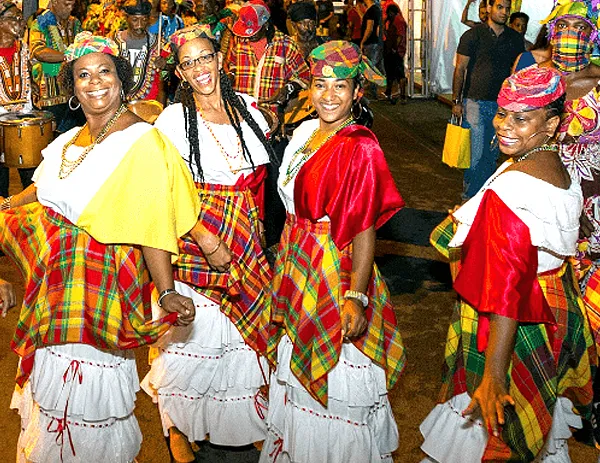
What major cultural celebration highlights Saint Lucia’s Creole heritage?
Where did the musical instrument known as the Steel Pan originally originate from?